Older properties often have one awkward problem – you want better warmth, security and lower maintenance, but you do not want windows that look obviously modern. That is where flush casement windows benefits stand out. They offer a cleaner, more traditional appearance than many standard casement styles, while still giving you the performance most homeowners now expect.
For many people, the first attraction is visual. A flush casement window closes so that the opening sash sits level within the frame, rather than projecting out. That creates a neater, flatter finish that suits period homes particularly well, but it can also look sharp on newer properties that need a more refined style. The appeal is not just about appearances, though. These windows are often chosen because they balance character with practical day-to-day value.
Why flush casement windows look different
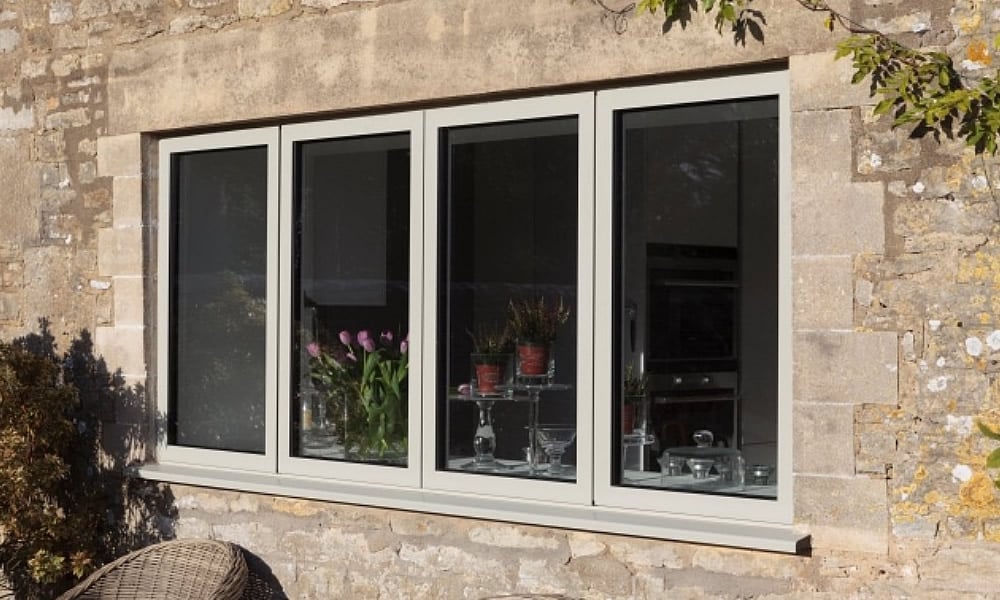
The defining feature is simple – when shut, the sash sits flush with the outer frame. Traditional timber windows often had this look, which is why flush casement designs are regularly selected for cottages, Victorian terraces, heritage-style renovations and homes in conservation-minded settings.
That said, they are not limited to older houses. On a modern extension or a newer build, flush lines can look understated and smart. If you prefer a window that does not appear bulky, this style tends to feel more considered than a standard lipped casement.
The main flush casement windows benefits for homeowners
A lot of window choices come down to compromise. You might like the charm of timber but not the upkeep, or want strong insulation without losing the right look for the property. Flush casement designs are popular because they solve several of those tensions at once.
Stronger kerb appeal
This is usually the biggest reason people enquire about them. Flush casement windows have a more authentic, balanced appearance than many conventional replacement windows. The proportions can feel closer to classic joinery, especially when paired with suitable colours, glazing bars and hardware.
If you are improving a house with character, that matters. Windows take up a large part of the front elevation, so changing them can either lift the whole property or make it feel out of keeping. A flush style often helps preserve the original feel while still giving you the benefits of modern materials.
For homeowners thinking ahead to resale, appearance has practical value too. Buyers notice good windows quickly, particularly when they suit the age and style of the house.
Better energy efficiency
Most people replacing older windows want a warmer home and lower heat loss. Modern flush casement windows are commonly available with high-performance double glazing and, where suitable, triple glazing. Combined with quality frames and proper installation, this can make a marked difference to comfort.
You are likely to notice fewer draughts, more consistent room temperatures and less reliance on heating to compensate for cold spots near the windows. The exact improvement depends on what is being replaced. If your current windows are ageing timber units with worn seals, or first-generation uPVC, the upgrade can feel significant.
Energy efficiency is not just about the glass. The frame design, sealing and installation quality all matter. Even an excellent product will underperform if it is poorly fitted, which is why the installer is as important as the window itself.
Improved security
Security is another of the practical flush casement windows benefits worth paying attention to. Modern systems can include multi-point locking, durable hinges, reinforced frames and toughened or laminated glass where needed.
Older windows can become vulnerable as hardware wears or frames distort. A well-made replacement window should feel more solid in use and offer greater peace of mind. This matters not only on ground-floor rooms, but also on side elevations, garages and extensions where access may be easier.
For local commercial properties, security and reliability tend to be just as important as appearance, so the same principle applies.
Low maintenance compared with traditional timber
Many homeowners love the look of classic timber windows but are less keen on the sanding, painting and regular upkeep. Flush casement windows in modern uPVC or aluminium can give a similar visual character with far less routine maintenance.
That does not mean no maintenance at all. Hinges, seals and moving parts still benefit from occasional checks and cleaning. But for most households, keeping them in good order is straightforward. A wipe down, frame clean and some basic care of the hardware usually go a long way.
If your priority is a window that looks smart without becoming a constant job list item, this is a genuine advantage.
Good ventilation and everyday usability
Flush casement windows are not just about looks from the pavement. They are practical windows to live with. They open easily, can provide strong ventilation and work well in bedrooms, kitchens, lounges and upstairs rooms.
Because they are such a versatile style, they suit many property types. This flexibility is one reason they are often chosen for full-house replacements, where consistency matters across different room sizes and elevations.
Where flush casement windows work best
They are especially effective on period-style homes, cottages, bay-fronted terraces and houses where standard replacement windows would look too chunky or generic. In these settings, the flush finish helps retain a more sympathetic appearance.
They also work well on newer properties where the aim is a cleaner, more architectural look. Anthracite grey aluminium flush casements, for example, can suit contemporary homes very well. In white or wood-effect finishes, uPVC flush casements can be a strong option for more traditional properties.
The best choice depends on the building itself. A window that looks excellent on a village cottage may not be the right fit for a sharply modern extension, and vice versa. That is why practical and impartial advice matters more than simply choosing what is currently popular.
Material choice matters
Not all flush casement windows are the same. The frame material will affect appearance, upkeep, lifespan, cost and sightlines.
uPVC flush casement windows
These are a popular option because they offer strong thermal performance, low maintenance and competitive pricing. Modern woodgrain finishes are far better than older versions, so if you want a traditional look without the maintenance burden, uPVC often makes sense.
For many family homes, it is the most balanced option on budget and practicality.
Aluminium flush casement windows
Aluminium tends to offer slimmer frames and a slightly more contemporary finish. It is strong, durable and well suited to larger openings or homes aiming for a crisp modern look. It can, however, come at a higher price point than uPVC.
If your priorities are sleek sightlines and a premium finish, aluminium may be worth considering.
Are there any trade-offs?
There usually are, and it is better to be clear about them. Flush casement windows can cost more than standard casement alternatives, depending on the system, specification and finish. If budget is the main concern, that price difference may influence the decision.
Style is another factor. While flush casements are versatile, they are not the right answer for every property. Some homes suit a more conventional casement, while others are better served by sash windows or aluminium systems with a different profile.
There is also the question of specification. Decorative bars, heritage hardware, triple glazing and premium colour finishes can all improve the final result, but they will also affect cost. The right setup is the one that suits your house and priorities rather than a showroom ideal.
Installation makes the difference
Even the best-designed window can disappoint if it is measured badly or fitted without care. Poor installation can lead to draughts, sticking sashes, water ingress and a finish that never looks quite right. That is especially frustrating when you have chosen flush casements for their appearance.
A proper survey matters. So does attention to trims, sealants, alignment and how the new windows sit within the opening. On older properties, the installer also needs to understand that walls and reveals are not always perfectly square, which calls for experience rather than rushed fitting.
This is often where a local specialist has an edge. A company such as BS15Doors & Windows can advise on what genuinely suits the property, rather than pushing a one-size-fits-all solution.
Are flush casement windows worth it?
If you want windows that combine traditional styling with modern performance, very often yes. The strongest flush casement windows benefits are not about one single feature, but the way appearance, energy efficiency, security and low maintenance come together.
They tend to be most worthwhile when standard replacement windows would jar with the character of the house, or when you want a more refined finish without taking on the upkeep of timber. They can also be a sensible long-term investment for homeowners who want quality now rather than a cheaper option they may regret later.
The right choice comes down to the property, your budget and what matters most to you. If the aim is a home that feels warmer, looks better and stays easier to manage for years to come, flush casement windows are well worth a serious look.
A good window should not keep demanding your attention after it has been fitted. It should simply suit the house, do its job properly and make everyday life that bit more comfortable.