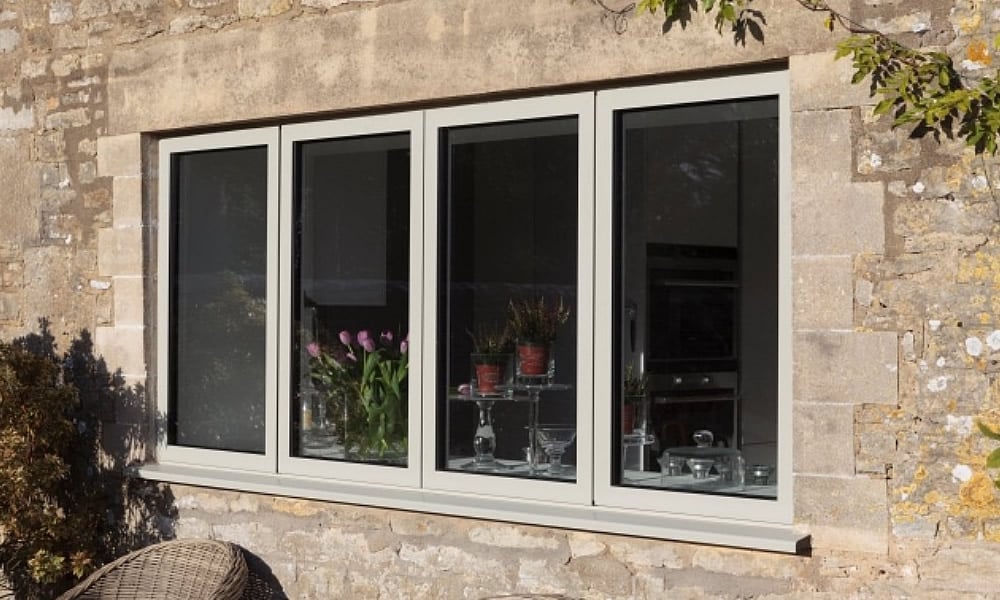
If you are replacing windows, the choice often comes down to one question: aluminium windows vs uPVC. On paper, both can offer strong security, good energy efficiency and a smart finish. In practice, the right option depends on your property, your budget and how you want the windows to look in ten or twenty years’ time.
For many homeowners across Bristol and the surrounding areas, this is not really about which material is universally “better”. It is about what suits the house, the performance you expect and the level of investment that feels worthwhile. That is where clear, impartial advice matters.
Aluminium windows vs uPVC: the key difference
The biggest difference between aluminium and uPVC is the balance between appearance, strength and price. Aluminium is stronger as a material, which allows for slimmer frames and a more contemporary look. uPVC is usually the more cost-effective option and remains a very popular choice for family homes because it delivers reliable performance at a sensible price point.
That means aluminium often appeals to homeowners who want larger panes of glass, narrower sightlines and a more architectural finish. uPVC tends to suit those who want warmth, security and low maintenance without stretching the budget further than necessary.
Neither option is automatically right for every property. A modern extension with wide openings may benefit from aluminium. A full-house window replacement on a traditional semi-detached home may make more practical sense in uPVC. Quite often, the best answer sits somewhere between aesthetics and value.
Cost and long-term value
For many people, cost is the first deciding factor, and understandably so. In most cases, aluminium windows are more expensive than uPVC. The material itself, the manufacturing process and the premium finish all tend to push the price higher.
uPVC remains attractive because it offers very good all-round performance for less. If you are replacing several windows at once, that saving can be significant. For homeowners improving a property on a set budget, uPVC often gives the best immediate value.
That said, price should not be looked at in isolation. Aluminium can offer excellent longevity and a very stable frame, particularly in larger formats. If the design of your home really benefits from slimmer frames or bigger glazed areas, the extra spend may feel justified. It is less about chasing the cheapest quote and more about choosing a product that suits the property properly.
Style, sightlines and kerb appeal
This is often where aluminium pulls ahead. Because it is a strong material, aluminium can support thinner frames without compromising performance. That gives you larger glass areas and a cleaner, sharper look. On contemporary homes, renovations with modern glazing, and extensions with doors and large windows working together, that can make a real visual difference.
uPVC frames are typically chunkier, although modern systems are far better looking than older versions many people still picture. There are excellent uPVC designs available, including flush styles that work particularly well on period-inspired homes and more traditional properties.
So if your priority is the slimmest possible frame and a crisp modern finish, aluminium is usually the stronger choice. If you want a versatile style that can work across a wide range of house types, uPVC still performs very well.
Colour also matters. Aluminium is well known for offering a premium powder-coated finish and a broad range of colours. uPVC has improved a great deal here too, with white, anthracite grey, black and woodgrain effects all widely available. The gap is smaller than it used to be, but aluminium still tends to feel a little more refined where finish is concerned.
Energy efficiency and comfort
A lot of homeowners assume one material is automatically warmer than the other. In reality, the full window specification matters more than the frame material alone. The quality of the glazing unit, the seals, the spacer bars and the standard of installation all play a major role.
Modern uPVC windows are well regarded for thermal performance, and high-quality systems can achieve excellent energy ratings. Aluminium has also moved on significantly. Thanks to thermal break technology, modern aluminium windows are far more efficient than older generations.
For most homes, both options can deliver very good energy efficiency when properly specified and professionally installed. If reducing draughts and improving comfort is one of your main goals, it makes more sense to look at the overall window performance rather than assume one frame material tells the whole story.
Maintenance and day-to-day practicality
Both aluminium and uPVC are low-maintenance compared with traditional timber, which is one reason they remain so popular. Neither should require frequent repainting or intensive upkeep.
uPVC is straightforward to look after. A regular clean and occasional check of hinges, locks and seals is usually enough to keep it in good order. Aluminium is much the same, with the added benefit of a hard-wearing factory finish that generally stands up well over time.
Where there can be a slight difference is appearance as the years pass. Aluminium tends to retain its sharp lines and finish particularly well. uPVC also lasts well, but quality matters. A well-made, properly installed system will always age better than a cheaper product fitted poorly.
Security and strength
Homeowners quite rightly place security high on the list, but this is another area where the product specification matters more than the headline material. Both aluminium and uPVC windows can be very secure when fitted with quality locking systems and installed correctly.
Aluminium is inherently strong, which can be reassuring, especially on larger windows. uPVC is also capable of excellent security performance when reinforced and paired with modern hardware. In day-to-day terms, there is rarely a simple winner here. The better question is whether the window system itself meets the security standard you expect.
Which works best for older and newer properties?
Property style should carry real weight in this decision. A sleek aluminium frame can look exactly right on a modern home, a new extension or a property where clean lines are part of the overall design. It works particularly well where you want to maximise light and keep frames visually discreet.
uPVC often suits a broader mix of homes, especially suburban properties, family houses and more traditional styles. Flush uPVC windows, in particular, can give a neat and balanced look without appearing overly modern.
There is also the planning side to think about. In some conservation settings or on more characterful homes, the appearance of the frame profile may matter just as much as the material itself. That is why it helps to look at actual samples and styles rather than thinking only in general terms about aluminium or uPVC.
Aluminium windows vs uPVC for noise reduction
If your home is near a busy road, school run traffic or a well-used local route, noise reduction may be high on your list. Again, glazing specification tends to have more impact than frame material on its own.
Both aluminium and uPVC windows can contribute to a quieter home when combined with the right glass and good installation. Poor fitting will undermine performance whichever material you choose. If sound insulation matters, it is worth raising that early so the glazing package can be tailored accordingly.
When uPVC is the better fit
uPVC is often the better fit when budget is a key concern, when you are replacing multiple windows across the whole property, or when you want dependable performance without paying more for a premium aesthetic. It suits many homes extremely well and can still look smart, modern and in keeping with the character of the building.
It is also a strong option for homeowners who want low maintenance, good thermal performance and a broad choice of styles. For many families, that combination is exactly what they need.
When aluminium is worth the extra spend
Aluminium becomes especially worthwhile when design matters just as much as function. If you want slim frames, larger glazed areas and a more contemporary look, it is hard to ignore. It can also be a strong choice where your windows need to complement aluminium bi-fold doors, patio doors or a more design-led renovation.
For some properties, aluminium simply looks right. When that is the case, the extra investment can add to both enjoyment and kerb appeal in a way that feels lasting rather than cosmetic.
The right answer depends on the house
The real answer to aluminium windows vs uPVC is that it depends on the home, the opening sizes, the style you want and the budget you are working to. A blanket recommendation is rarely helpful. A good installer should talk you through the trade-offs clearly, show you suitable options and help you compare products on more than just headline price.
At BS15Doors & Windows, that usually means starting with the property rather than pushing one material over another. The most suitable choice is the one that gives you the look, performance and value that make sense for how you live.
If you are weighing up both options, ask to see frame samples, compare sightlines properly and think about the house as a whole. The right windows should feel like they belong there, not just on the quotation.